
EHS Institute
NC Community Colleges
A complete reference for GHS pictograms, NFPA 704, HMIS ratings, Safety Data Sheets, and chemical labeling — for all North Carolina community college employees.
Search for Safety Data Sheets directly from this page. Use the tool below to look up SDS documents for chemicals used at your campus.
The Globally Harmonized System of Classification and Labelling of Chemicals (GHS) is an internationally agreed-upon standard for communicating chemical hazards. OSHA adopted GHS into HazCom 2012.
Chemicals are sorted into hazard classes (physical, health, environmental) and assigned hazard categories (1 = most severe).
Labels must include signal words (Danger/Warning), hazard statements, precautionary statements, and pictograms.
Standardized 16-section format replacing the old MSDS. Must accompany all hazardous chemicals in the workplace.
All GHS pictograms feature a red diamond border on a white background with a black symbol. They appear on chemical labels and Safety Data Sheets (Section 2).
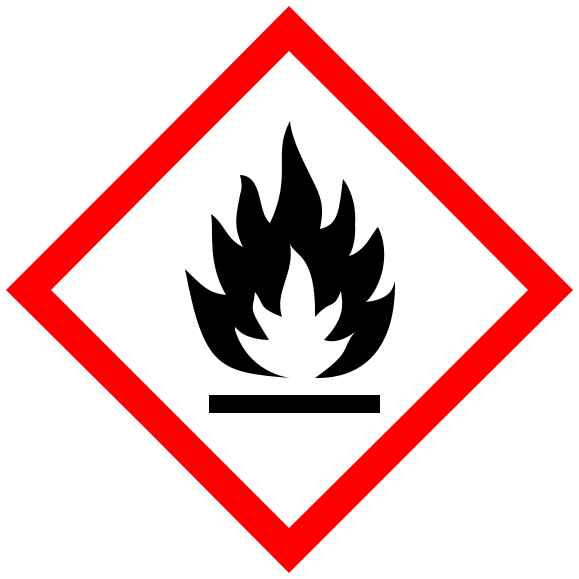
Flammable solids, liquids, gases, aerosols; self-reactive substances; pyrophorics; self-heating; emits flammable gas
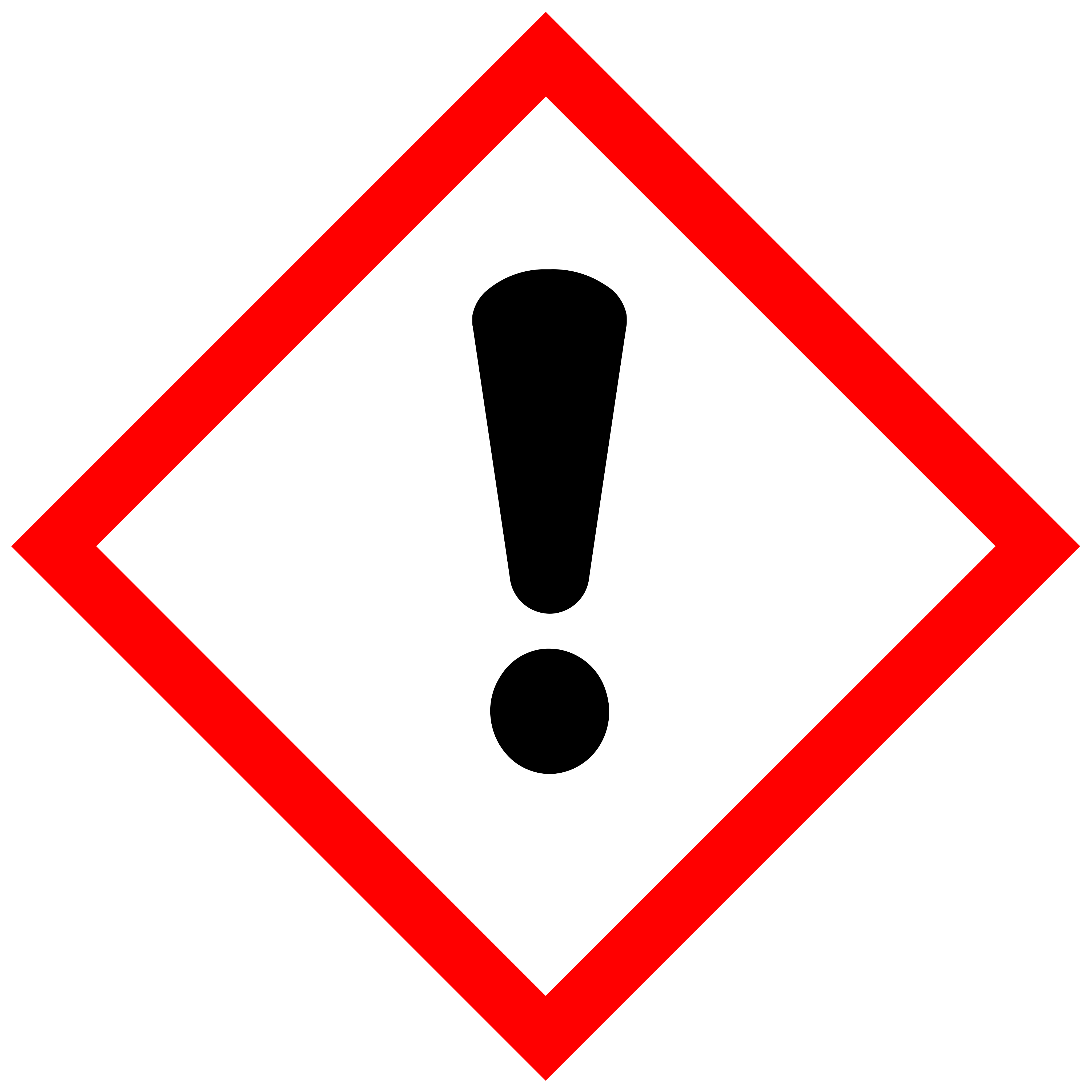
Skin or eye irritation, respiratory sensitization, narcotic effects, acute toxicity Category 4, hazardous to ozone layer
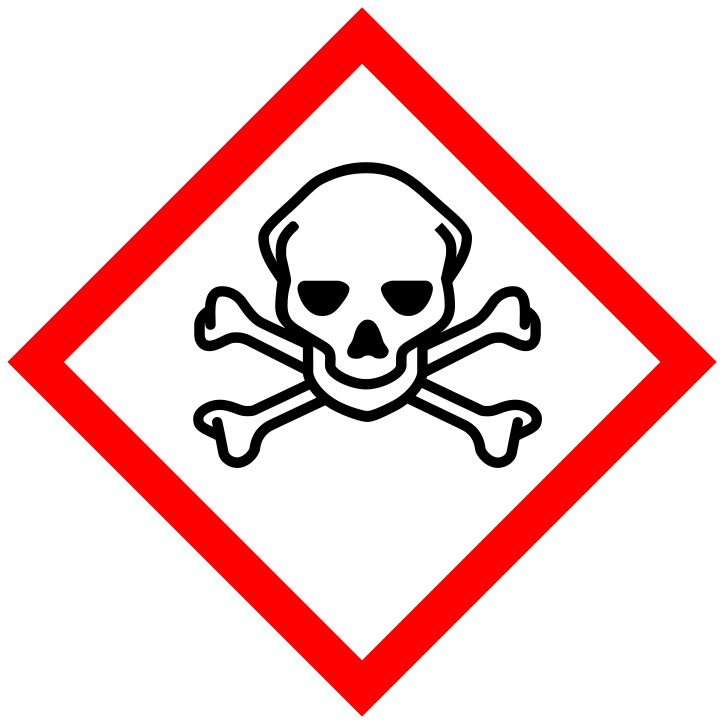
Acutely toxic (Categories 1–3): fatal or toxic if swallowed, in contact with skin, or inhaled
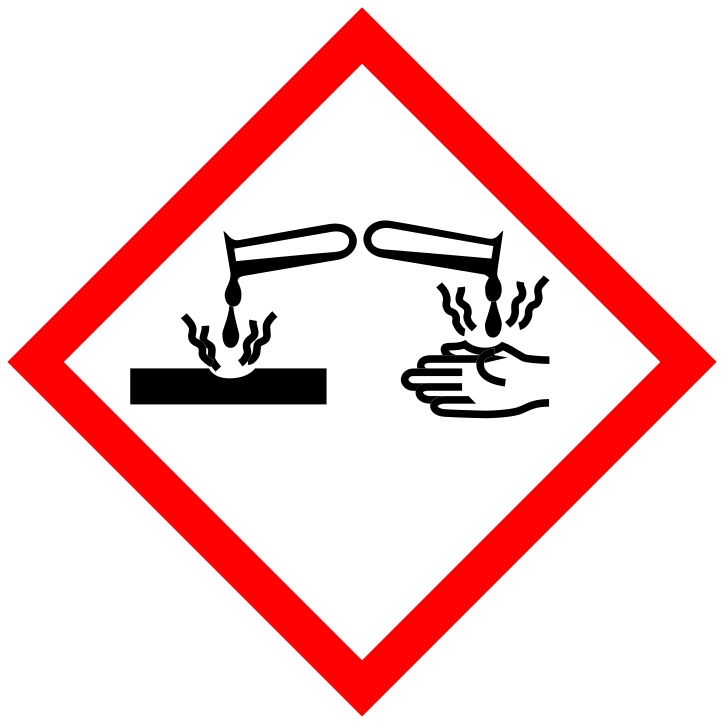
Causes skin burns, serious eye damage; corrosive to metals
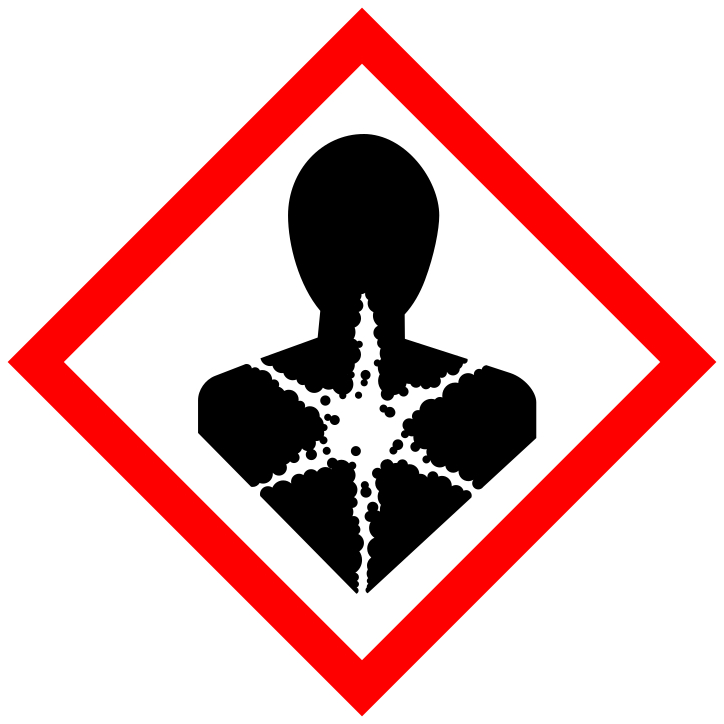
Carcinogenicity, mutagenicity, reproductive toxicity, respiratory sensitization, organ toxicity (STOT), aspiration hazard
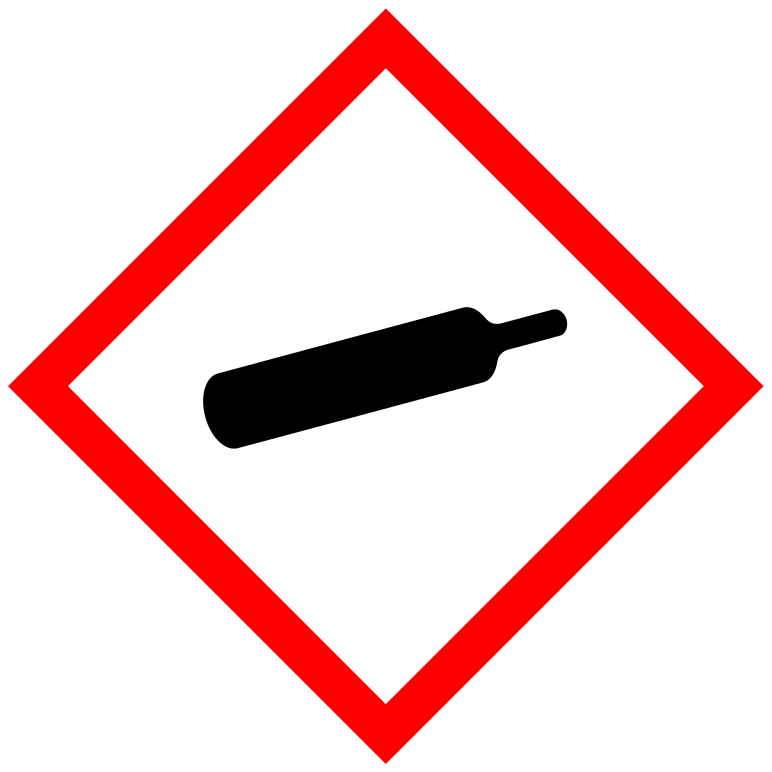
Compressed gases, liquefied gases, dissolved gases; may explode if heated; may cause cryogenic burns
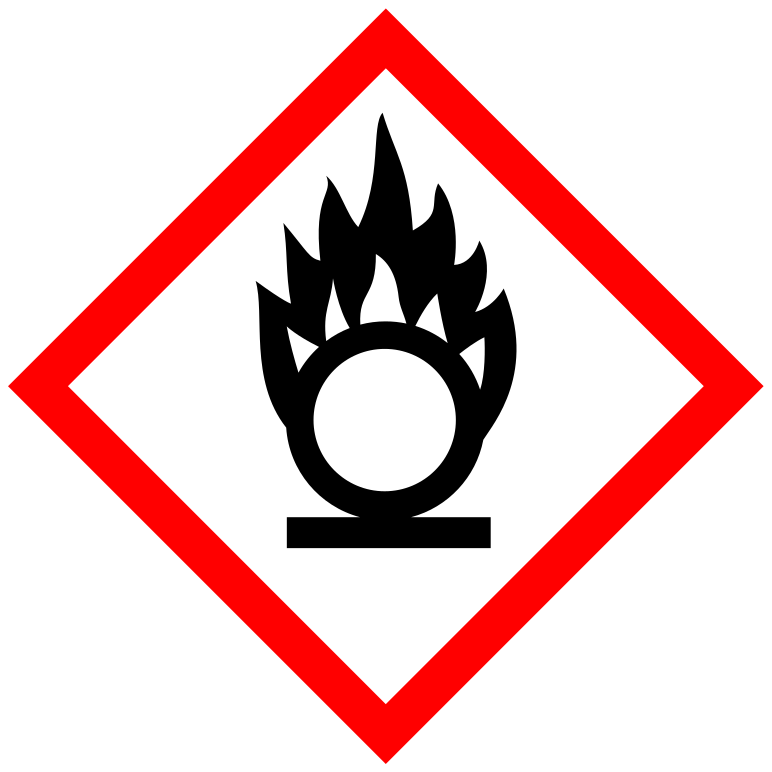
Oxidizing liquids, solids, or gases that may cause or intensify fire; peroxides that may cause fire or explosion
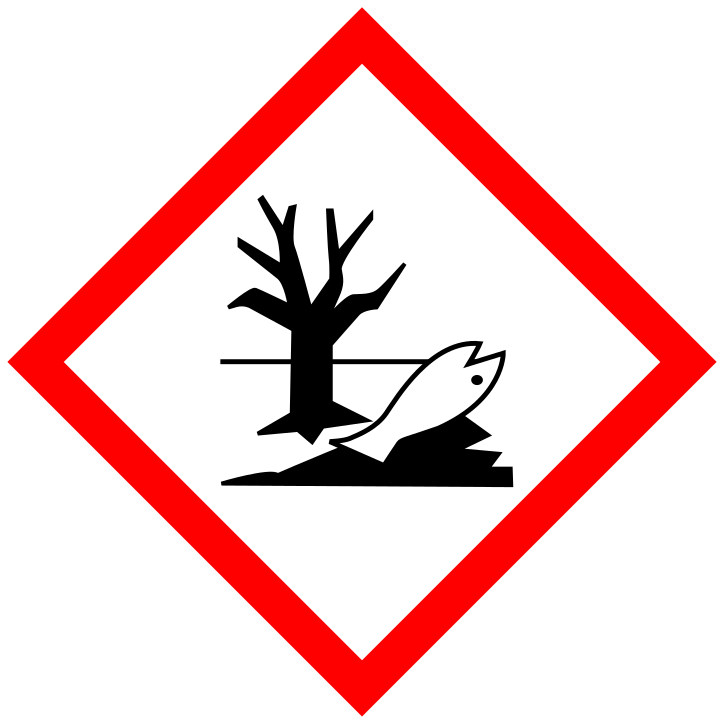
Acutely or chronically hazardous to the aquatic environment (fish, daphnia, algae)
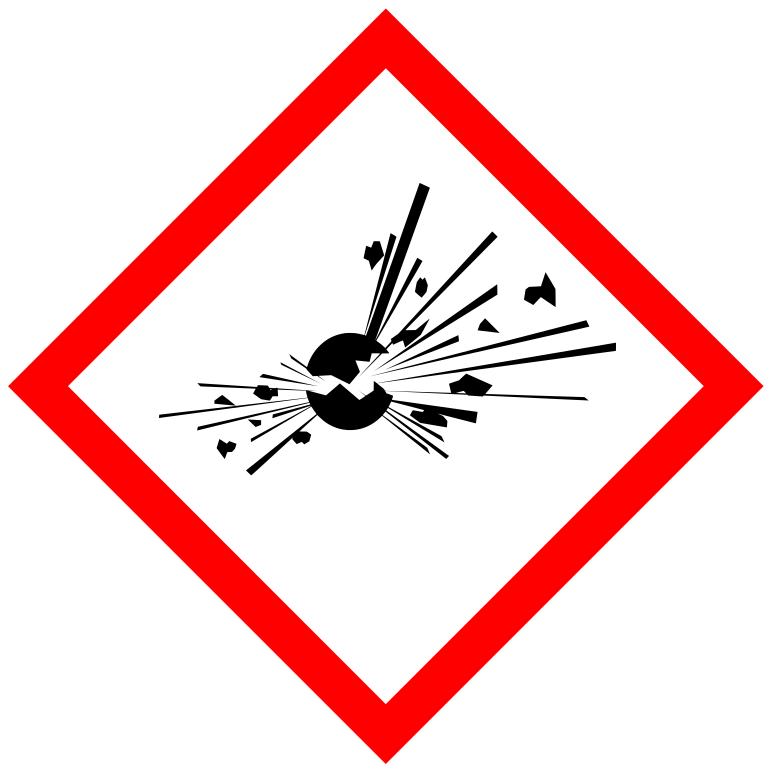
Unstable explosives; explosive divisions 1.1–1.4; self-reactive, organic peroxides Type A & B
| Signal Word | Meaning | Hazard Category | Action Required |
|---|---|---|---|
| DANGER | More severe hazard | Category 1 or 2 | Full PPE; consult SDS before use |
| WARNING | Less severe hazard | Category 3 or 4 | Appropriate precautions; review SDS |
| — none — | Least hazardous | Category 5 or unclassified | Basic precautions; SDS available |
The NFPA 704 "fire diamond" is a system developed by the National Fire Protection Association for emergency responders. It displays health, flammability, instability, and special hazards at a glance — typically posted on facilities and large containers.
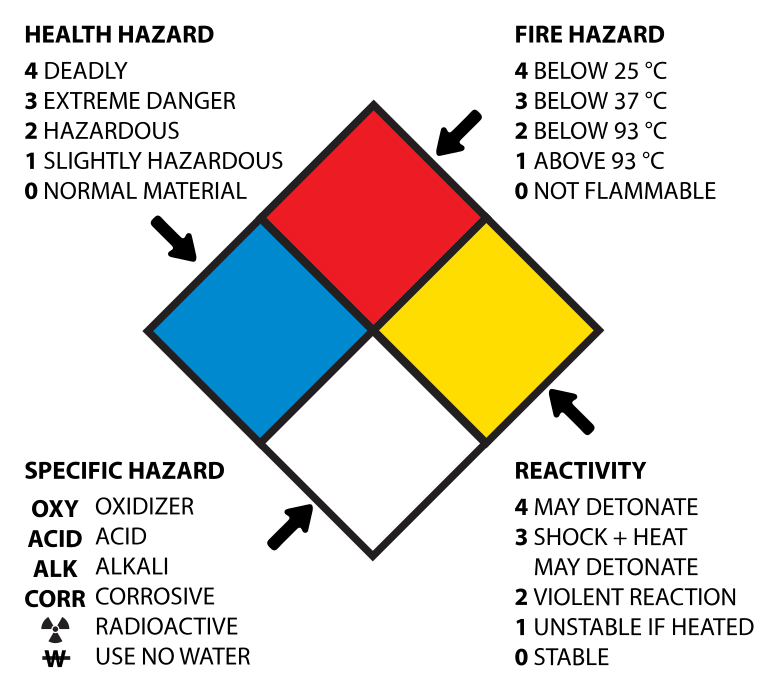
Official NFPA 704 reference diagram — Public Domain
NFPA 704 rates 0 = no hazard, 4 = most hazardous. GHS/HMIS hazard categories work in reverse: 1 = most hazardous. Don't confuse the two systems when reading labels.
The Hazardous Materials Identification System (HMIS®) is a numerical hazard rating system developed by the American Coatings Association. Like NFPA 704, it uses 0–4 ratings, but adds a Personal Protective Equipment (PPE) letter code.
| Rating | Health | Flammability | Physical Hazard |
|---|---|---|---|
| 4 | Life-threatening; major permanent damage | Flash point below 73°F | May detonate or explode |
| 3 | Major injury; reversible injury possible | Flash point 73–100°F | Shock-sensitive explosion risk |
| 2 | Temporary incapacitation; reversible | Flash point 100–200°F | Normally unstable; reactive |
| 1 | Minor reversible injury | Flash point above 200°F | Slightly unstable |
| 0 | No significant hazard | Does not burn | Stable; not reactive |
An asterisk (*) or star (★) next to the HMIS health rating indicates a chronic hazard — a substance that can cause long-term health damage with repeated exposure (e.g., carcinogens, reproductive hazards). Always consult the SDS if the star appears.
Every hazardous chemical must have a Safety Data Sheet (SDS) in a standardized 16-section format (OSHA HazCom 2012 / GHS). The SDS must be readily accessible to employees during their work shift.
Product identifier, manufacturer/supplier name, address, phone number, emergency phone number, recommended use, restrictions on use
CriticalGHS classification, label elements (signal word, pictograms, hazard statements, precautionary statements), unknown hazards
CriticalChemical identity; CAS numbers; trade secret claims; impurities and stabilizing additives that are classified as hazardous
CriticalRequired first aid by route of exposure (inhalation, skin, eyes, ingestion); immediate medical attention notes; symptoms
CriticalSuitable extinguishing media, specific hazards arising from chemical, protective equipment for firefighters, explosion data
CriticalPersonal precautions, PPE, emergency procedures; environmental precautions; cleanup methods and materials
CriticalSafe handling practices, conditions for safe storage including incompatibilities, packaging and container requirements
OSHA PELs, ACGIH TLVs, engineering controls, administrative controls, PPE requirements (respiratory, eye, skin, hand)
CriticalAppearance, odor, flash point, boiling point, vapor pressure, density, solubility, auto-ignition temperature, etc.
Chemical stability, conditions to avoid, incompatible materials, hazardous decomposition products
Routes of exposure; symptoms; acute and chronic effects; numerical toxicity measures (LD50, LC50); carcinogenicity, mutagenicity
CriticalEcotoxicity, persistence/degradability, bioaccumulative potential, mobility in soil, other adverse environmental effects
OSHA not requiredWaste treatment methods; product/packaging disposal; any special precautions for disposal; applicable regulations
OSHA not requiredUN number and proper shipping name, transport hazard class, packing group, environmental hazards, special precautions
OSHA not requiredSafety, health, environmental regulations specific to the product (SARA 313, CERCLA, RCRA, state right-to-know laws)
OSHA not requiredDate of preparation or last revision, changes from previous version, key abbreviations, references used
Under OSHA's Hazard Communication Standard (29 CFR 1910.1200), you have the legal right to access SDS for any hazardous chemical you work with. Your employer must provide them during your work shift, at no cost.
The old Material Safety Data Sheet (MSDS) had no standardized format. The new SDS uses a fixed 16-section format aligned with GHS, making information easier to find and understand across all manufacturers.
Manufacturers must update the SDS within 3 months of learning of new hazard information. Always check the revision date in Section 16 and confirm you have the most current version.